The Sega 32X is the most reviled add-on in gaming history. A mushroom-shaped peripheral that plugged into the Genesis cartridge slot, the 32X was supposed to bridge the gap between the 16-bit Genesis and the upcoming Saturn. Instead, it became the definitive example of a company cannibalizing its own product line. Released in November 1994 — the same month the Saturn launched in Japan — the 32X sold just 665,000 units, was abandoned within months, and permanently damaged Sega’s credibility with consumers.
History & Development
The 32X was born from panic. In 1994, Sega of America’s CEO Tom Kalinske recognized that the Saturn wouldn’t be ready for a North American launch until 1995. Meanwhile, Atari’s Jaguar was claiming “64-bit” superiority, and the PlayStation was generating industry buzz. Kalinske proposed a stopgap: a Genesis add-on that would provide 32-bit capability at an affordable price, extending the Genesis’s life while the Saturn was prepared.
Sega of Japan reluctantly approved the project but assigned minimal resources — the 32X was developed in approximately five months. It launched on November 21, 1994 at $159.99 with Doom and Star Wars Arcade as launch titles. The problem was immediately apparent: Sega was simultaneously asking consumers to buy the 32X as a Genesis upgrade while also marketing the Saturn as the real next generation. Why invest in a bridge to nowhere?
The situation worsened when the Saturn’s surprise North American launch at E3 1995 made the 32X instantly obsolete. Sega of America cut the price to $99, then abandoned the platform entirely. The 32X became the poster child for Sega’s strategic dysfunction — a product that confused consumers, alienated retailers, and destroyed trust in Sega’s hardware roadmap.
Hardware & Technical Specifications
Ironically, the 32X hardware was genuinely capable. It contained two Hitachi SH2 processors at 23 MHz — the same CPU family used in the Saturn — plus a custom VDP that could overlay 32,768 simultaneous colors onto the Genesis display. The 256 KB of RAM and 256 KB of video RAM were significant additions to the Genesis’s capabilities.
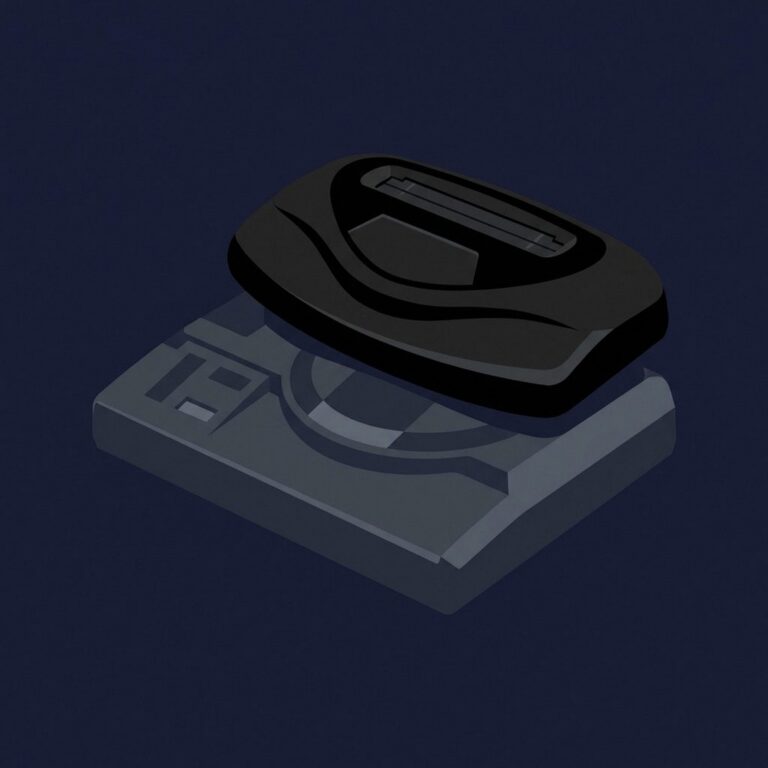
The 32X could run alongside the Sega CD attachment, creating the infamous “tower of power” — Genesis + Sega CD + 32X stacked together. Six games used this combination (including Night Trap and Corpse Killer). The physical setup was absurd: multiple power supplies, audio/video cables daisy-chaining between devices, and a structural precariousness that looked nothing like a consumer product.
Game Library & Legacy
The 32X’s 40 games included several genuinely good titles buried under the platform’s reputation. Knuckles’ Chaotix was a unique Sonic spin-off with a rubber-band mechanic. Kolibri was a beautiful hummingbird shooter. Virtua Fighter and Virtua Racing Deluxe were impressive arcade ports. Star Wars Arcade was solid. Doom ran well, though it lacked music.
But the library was far too thin to justify the purchase. Many 32X games were marginal improvements over Genesis versions of the same titles. Cosmic Carnage, Metal Head, and Motocross Championship demonstrated that even 32-bit hardware couldn’t save bad game design.
Collecting & Value Today
The 32X has become an ironic collector’s item — its failure makes it historically interesting. Working units sell for $60-120 USD. The essential connection cables (spacer adapter, A/V cable) must be present for functionality. Games are generally affordable at $10-30, though Spider-Man: Web of Fire (the rarest 32X game, the last one released) commands $200-400+ complete. Knuckles’ Chaotix sells for $60-100+. The 32X’s small library makes a complete collection achievable — all 40 games can realistically be assembled by a determined collector.